
Defending Against Drug Impairment Allegations
DUI Involving Drugs in the Denver area for drivers accused of marijuana or prescription medication impairment
Dillon Alfrey Law represents clients charged with DUI Involving Drugs in Denver when they are accused of operating a vehicle while impaired by marijuana, prescription medication, or other controlled substances. You may be facing this charge after an officer observed erratic driving, conducted a traffic stop, and concluded based on your behavior, statements, or the results of a blood test that you were under the influence of drugs. These cases often rely on chemical testing and officer observations rather than traditional alcohol breath tests, and the legal standards for proving impairment are less clear-cut than in alcohol-related DUI cases.
The firm reviews testing procedures, officer reports, and investigation methods to identify potential weaknesses in the case. Drug-related DUI cases can involve complex scientific and legal issues that require experienced legal analysis, including how long certain substances remain detectable in the bloodstream, whether the presence of a substance proves current impairment, and whether the officer was trained as a Drug Recognition Expert authorized to conduct advanced impairment evaluations. Blood test results may show the presence of THC, opioids, benzodiazepines, or other substances, but the prosecution must still prove that you were actually impaired at the time you were driving, not simply that you had used a substance at some point in the past.
If you have been charged with DUID in Denver, contact the firm to begin building a defense based on the specific facts of your case.
Our Services
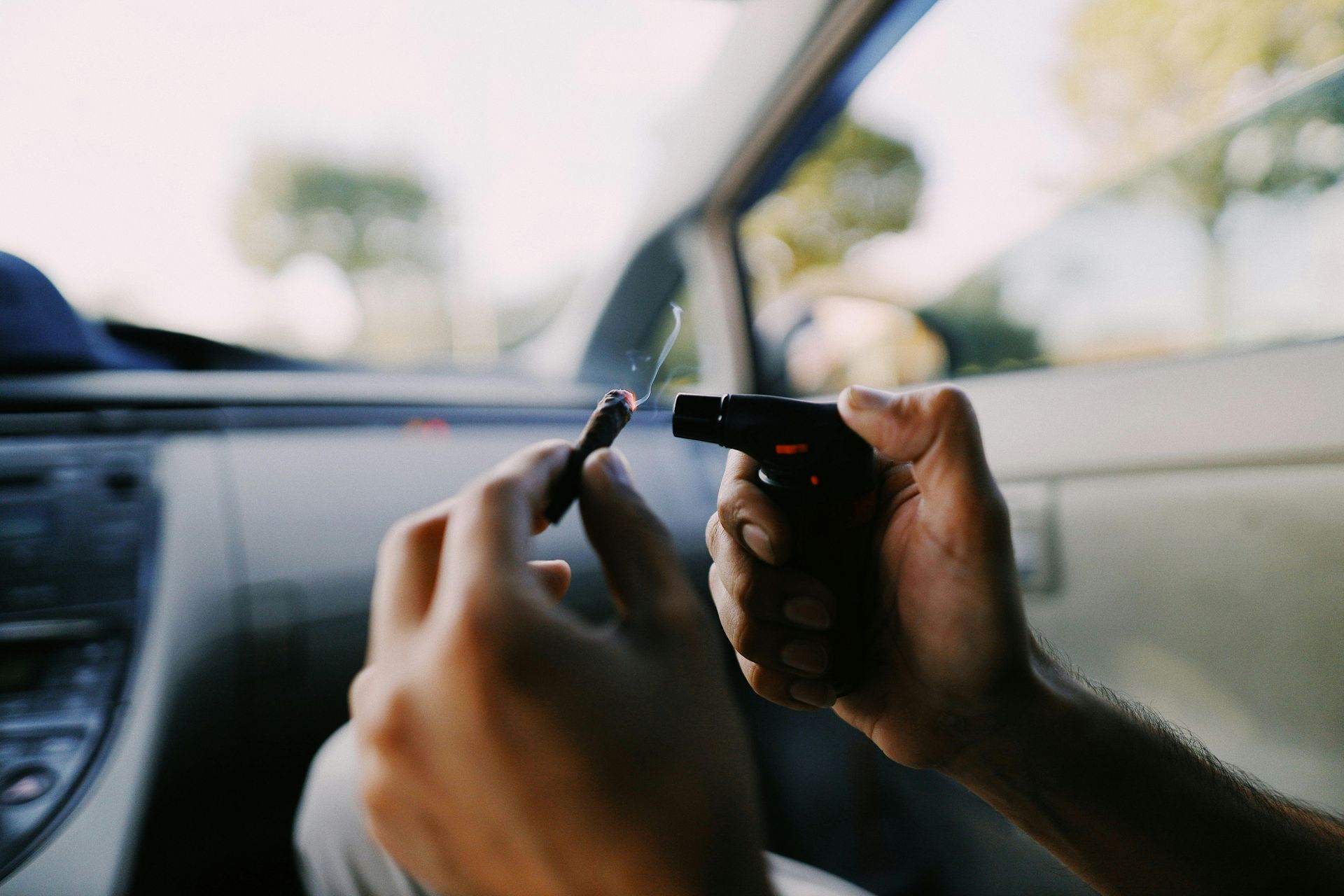
How Drug Testing Differs From Alcohol Testing
Your attorney will obtain the chain of custody records for your blood sample, the laboratory report detailing the substances detected and their concentrations, and the training records of the officer who conducted the investigation. Colorado law does not establish a per se limit for most drugs, meaning the prosecution must prove impairment through a combination of chemical evidence and officer testimony. The firm works to challenge questionable evidence and advocate for your constitutional rights, especially when testing procedures did not follow proper protocols or when the officer's conclusions are not supported by objective facts.
After Dillon Alfrey Law takes your case, you will understand how the prosecution intends to prove impairment, what defenses apply to drug-related DUI charges, and what penalties you are facing if convicted. You may notice that the case hinges on subjective observations such as red eyes, slow speech, or poor performance on roadside tests, all of which can have innocent explanations unrelated to drug use. In some cases, prescription medications taken as directed do not constitute impairment, and medical records or expert testimony can support your defense.
Early legal intervention can help protect your driving privileges and minimize potential penalties by ensuring that the DMV hearing is requested on time and that all available defenses are raised in both the criminal and administrative proceedings. The presence of marijuana in your system, even in a state where recreational use is legal, can still result in a DUID conviction if the prosecution proves impairment. The firm evaluates whether the traffic stop was justified, whether the officer had probable cause to request a blood test, and whether your statements were obtained in violation of your rights.
Your journey matters to us, and we are dedicated to achieving the best possible outcomes together.
Common Questions About DUID Charges
Clients charged with drug-related DUI often have questions about how chemical testing works and what the results mean. The following questions address these issues.
What is the legal limit for marijuana in a DUI case in Denver?
Colorado law establishes a rebuttable presumption of impairment if your blood contains five nanograms or more of THC per milliliter, but you can still be convicted with a lower amount if other evidence supports impairment.
How does the prosecution prove impairment without a breath test?
The state relies on officer observations during the stop, your performance on field sobriety tests, statements you made, and the results of a blood test that shows the presence of drugs in your system at the time of driving.
Why would a blood test result be excluded from evidence?
If the officer did not have probable cause to request a blood draw, if the sample was not collected by a qualified person, or if the chain of custody was broken, the court may suppress the test results.
What is a Drug Recognition Expert and how do they affect my case?
A DRE is a specially trained officer who conducts a standardized evaluation to identify drug impairment, but their conclusions can be challenged if the evaluation was not performed correctly or if their observations are inconsistent with the evidence.
When can I be convicted of DUID for taking prescription medication?
You can be convicted if the prosecution proves that the medication impaired your ability to operate a vehicle safely, even if you took it as prescribed, though medical necessity and proper dosage can be raised as mitigating factors in Denver cases.
Dillon Alfrey Law provides detailed analysis of chemical testing and officer procedures in DUID cases. Reach out to the firm to schedule a consultation and discuss your defense strategy.